Why Are 80% of US Flowers Imported? (How to Buy Local)
By Ethical Blooms · Updated June 23, 2026
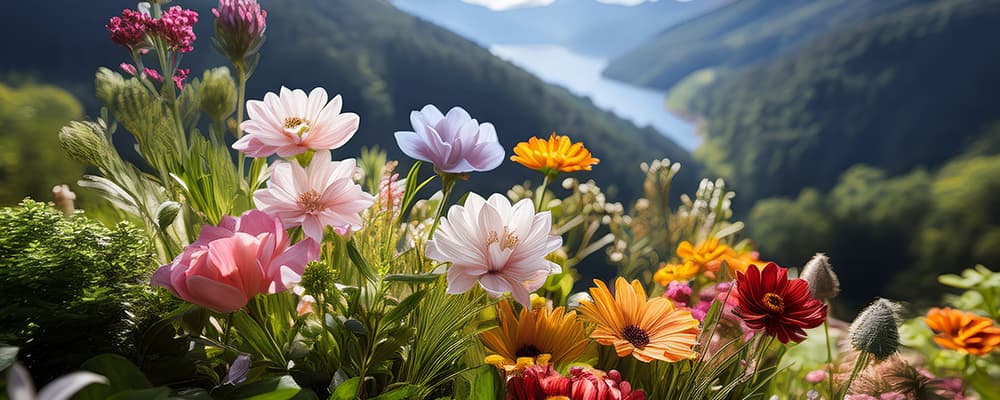
About 80% of cut flowers sold in the United States are imported, mostly from Colombia and Ecuador. That number comes from the Society of American Florists, and if it surprises you, you're not alone. In the 1980s, American farms grew most of the country's cut flowers. Three decades later, domestic growers are a fraction of the market. What happened?
How did the US lose its domestic flower industry?
Through the 1980s, flower farms in California, Colorado, and the Pacific Northwest supplied most of the country's cut flowers. Then trade policy changed. The Andean Trade Preference Act of 1991 (expanded in 2002) eliminated tariffs on flower imports from Colombia and several other South American countries. The goal was to incentivize those countries to shift away from coca production.
It worked, at least on the flower side. South American farms had year-round growing seasons, lower labor costs, and now duty-free access to the US market. They scaled fast. Between 1992 and 2020, US flower farm acreage dropped by more than half, according to USDA Census of Agriculture data.
The environmental cost of importing flowers
Moving flowers across hemispheres at scale has real environmental consequences.
Most imported flowers travel by air cargo. A typical Colombia-to-Miami shipment covers about 2,500 miles. Some studies argue that equatorial growing conditions partially offset transport emissions, but the carbon footprint is still substantially higher than buying from a farm down the road.
Then there's the chemical load. Flowers need to survive multi-day transit and look perfect on arrival, so they get treated heavily with pesticides and fungicides. Many of the chemicals used on imported flowers are banned or restricted in the US.
The entire supply chain also depends on continuous refrigeration from farm to store, which consumes significant energy. And in the growing regions themselves, large-scale flower farming has strained local water supplies, particularly around Bogotá and Ecuador's Cotopaxi province.
What about the human costs?
Workers on large-scale South American flower farms often face difficult conditions. The International Labor Rights Forum has documented long hours, low wages, and chronic pesticide exposure. Certifications like FairTrade and Rainforest Alliance address some of these problems, but they cover only a small portion of the global flower trade.
Is American flower farming making a comeback?
Slowly, yes. Since the early 2010s, a counter-movement has been building. A growing community of growers and florists has committed to American-grown, seasonal flowers, and small-scale flower farming has attracted a steady stream of beginning farmers and market gardeners.
Today, hundreds of small flower farms across the US grow for local and regional markets. They sell at farmers markets, through bouquet subscriptions, directly to local florists, and at farm stands. These aren't operations trying to compete with Colombian mega-farms on price. They're selling freshness, variety, and a story you can actually trace.
What does "locally grown" actually mean for flowers?
There's no federal definition. Unlike food labeling, nobody regulates the phrase "locally grown" for cut flowers. In practice, most people mean flowers grown within 200 to 400 miles, though it varies. The more useful distinction is domestic versus imported. A California rose sold in New York has traveled far, but it's still more traceable and subject to stricter regulations than one flown in from Ecuador.
A few certification programs help sort this out. Certified American Grown verifies US origin through independent farm audits. And USDA Organic certification ensures chemical-free growing, regardless of where the farm is located.
Why seasonality matters more than you'd think
One of the biggest reasons we import so many flowers is consumer demand for year-round availability. We expect roses every single day of the year, but most US-grown roses are only in season from late spring through fall. Retailers fill the gap with imports from equatorial countries where growing conditions don't change.
Choosing seasonal flowers is probably the simplest thing you can do to reduce your impact. Spring brings tulips, daffodils, and ranunculus. Summer has sunflowers, zinnias, and dahlias. Fall means chrysanthemums, celosia, and marigolds. Winter is slim in most US growing regions, but dried flowers, forced bulbs like paperwhites, and greenhouse-grown greens are all solid options that don't require a transatlantic flight.
A lot of eco-friendly florists build their whole business around this idea, creating arrangements from whatever is naturally in bloom. The arrangements tend to be more interesting, honestly. And the flowers last longer in the vase because they haven't spent days in a cargo hold.
Where does your money actually go?
When you buy from a local grower or a florist who sources domestically, more of what you spend stays in the local economy. Research on local food systems (which tracks closely to the local flower movement) shows that locally spent dollars recirculate at roughly twice the rate of dollars spent at national chains. For flower farms, that translates to more land stewardship, more seasonal jobs, more tax revenue for local infrastructure.
There's a less obvious benefit too. Small flower farms tend to be diversified operations. They maintain pollinator habitat, practice cover cropping, and preserve open farmland that might otherwise get developed. These are real environmental services, but they only pencil out economically when people actually buy from local growers.
As consumer interest in locally grown flowers has picked up, many newcomers to the field are beginning farmers, often women, who started flower farming as a way to build an agricultural livelihood on small acreage.
What you can actually do about it
None of this requires overhauling your life. A few small shifts make a real difference:
- Ask your florist where their flowers come from. If they can't tell you, that tells you something.
- Buy seasonal. Tulips in spring, sunflowers in summer, dahlias in fall. If it's in season locally, it probably didn't fly here.
- Shop at farmers markets. Many flower farms sell directly. Fresher flowers, and you're supporting a local business.
- Look for certifications: USDA Organic and Certified American Grown both mean something concrete.
Frequently asked questions
What percentage of US flowers are imported?
About 80% of cut flowers sold in the United States are imported, mostly from Colombia and Ecuador, according to the Society of American Florists.
Why are most US flowers imported?
Trade policy is the main driver. The Andean Trade Preference Act of 1991 removed tariffs on flowers from Colombia and other South American countries, which had year-round growing seasons and lower labor costs. Between 1992 and 2020, US flower farm acreage more than halved.
Are imported flowers bad for the environment?
They carry a heavier footprint: most travel by refrigerated air freight, are treated heavily with pesticides (some restricted or banned in the US), and rely on continuous refrigeration. Large-scale flower farming has also strained water supplies in growing regions.
How can I buy locally grown flowers instead?
Ask your florist where their flowers come from, choose seasonal blooms, shop at farmers markets, and look for certifications like USDA Organic and Certified American Grown.